
The Future of Nutraceuticals: Emerging Botanical Trends and Innovations for 2026
Hitayu Editorial Board
ISO 9001:2015 Approved Content
Emerging Phytochemical Frontiers in Nutraceuticals
Key Bioactive Compounds Driving Innovation
The nutraceutical industry's trajectory towards 2026 is increasingly defined by the precise identification and validation of novel phytochemicals. Several compound classes are projected to dominate:
- Minor Cannabinoids & Terpenes: Beyond CBD, focus is shifting to synergistic compounds like CBG and CBC. Standardization of CBD purity (e.g., 98%+) and defined cannabinoid/terpene profiles are crucial for efficacy and regulatory adherence.
- Key Compounds: Cannabidiol (CBD), Cannabigerol (CBG), Cannabichromene (CBC), Myrcene, Limonene, Pinene.
- Concentration Relevance: High purity CBD, standardized minor cannabinoid ratios, and consistent terpene profiles are key quality indicators.
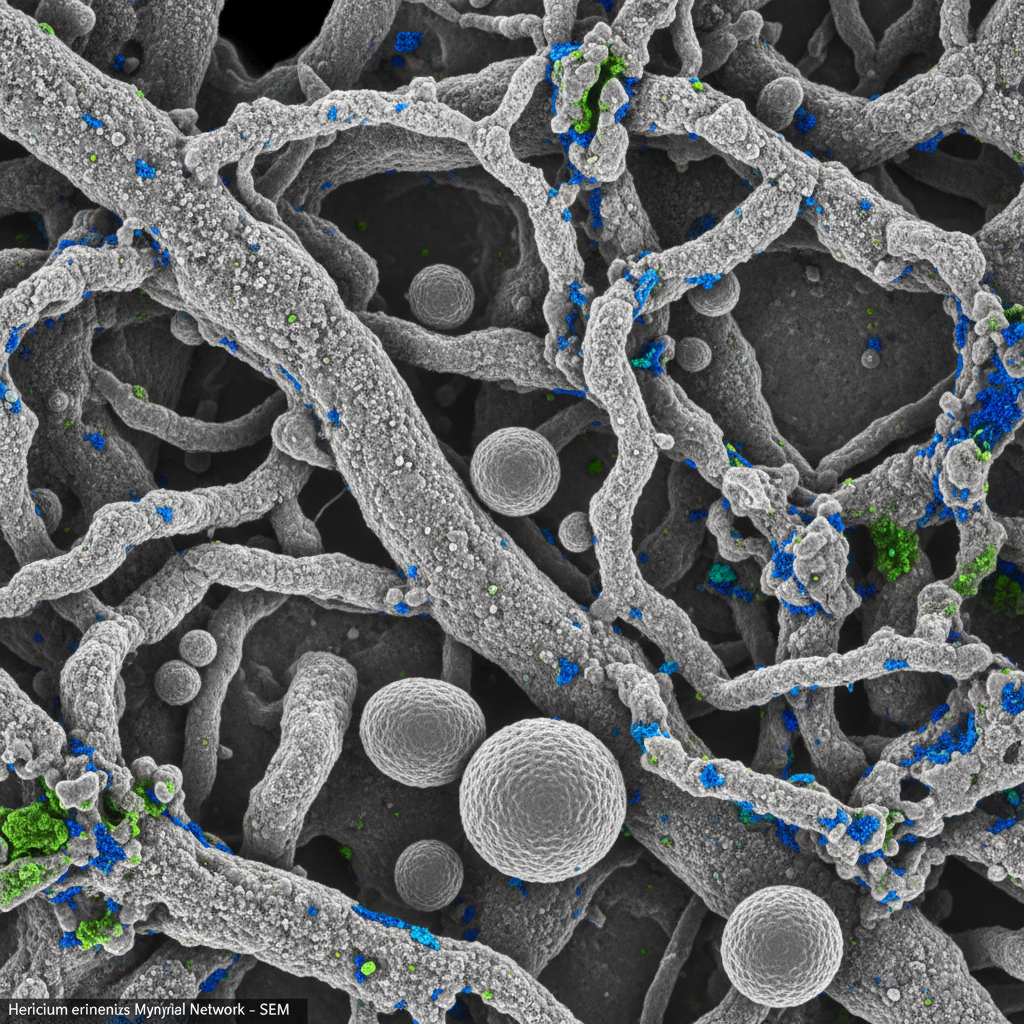
- Advanced Adaptogenic Mushrooms: Interest is expanding beyond Reishi and Cordyceps to species like Lion's Mane (Hericium erinaceus) and Chaga (Inonotus obliquus).
- Key Compounds: Beta-glucans, Triterpenes, Ergosterol, Polysaccharides.
- Concentration Relevance: Standardized beta-glucan content (e.g., >20%) is vital for demonstrating immunomodulatory potential.
- Microalgae-Derived Astaxanthin: This potent carotenoid is gaining traction for its superior bioavailability and antioxidant efficacy.
- Key Compounds: Astaxanthin (particularly (3S,3'S)-astaxanthin isomer).
- Concentration Relevance: Typically standardized to 5-10% astaxanthin in algal oil extracts.
- Phytoceramides: Plant-derived lipids from sources like wheat germ and rice are gaining prominence for their role in skin barrier health.
- Key Compounds: Sphingolipids, Glycosphingolipids.
- Concentration Relevance: Standardization focuses on total ceramide content or specific ceramide subclasses.

Specimen Ref 2
Clinical Validation: The Evidence Backbone
Substantiating Health Claims with Robust Data
Emerging botanical trends are increasingly supported by rigorous clinical evidence, moving beyond anecdotal claims to data-driven efficacy.
- Cannabinoids (CBD, CBG, CBC):
- Anxiety & Stress: RCTs and systematic reviews, published in journals such as The Lancet Psychiatry and JAMA Network Open, highlight anxiolytic effects. Studies like the 2019 Journal of Psychopharmacology publication demonstrate efficacy in social anxiety.
- Sleep & Pain: Meta-analyses in Frontiers in Psychiatry and trials in Pain Medicine suggest positive impacts on sleep quality and chronic pain management, particularly neuropathic pain.
- Adaptogenic Mushrooms:
- Immune Modulation & Cognitive Function: Clinical trials, including placebo-controlled studies featured in the International Journal of Medicinal Mushrooms, demonstrate immune enhancement. Research on Hericium erinaceus is showing promising cognitive benefits.
- Stress Adaptation: Human studies on standardized extracts indicate improvements in stress markers and overall well-being.
- Astaxanthin:
- Antioxidant & Anti-inflammatory: RCTs in Antioxidants and Marine Drugs confirm potent antioxidant activity, reducing oxidative stress and inflammatory biomarkers (e.g., CRP, MDA).
- Ocular & Dermatological Health: Clinical trials have investigated benefits for eye strain and improvements in skin elasticity, hydration, and wrinkle reduction.
- Phytoceramides:
- Skin Barrier Integrity: Randomized, placebo-controlled studies published in the Journal of Cosmetic Dermatology show enhanced skin hydration and reduced transepidermal water loss (TEWL) with oral supplementation.
Advanced Manufacturing and Extraction Methodologies
Ensuring Purity, Potency, and Consistency
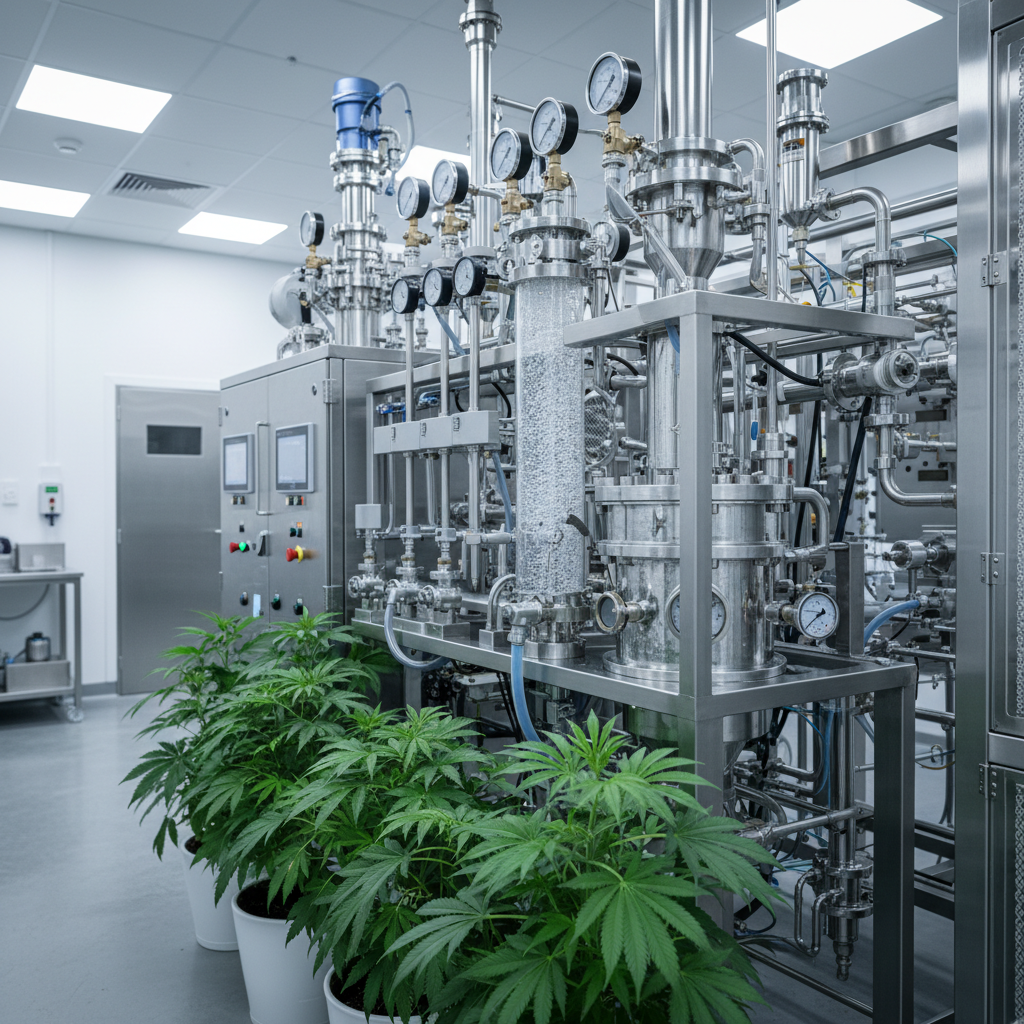
Adherence to stringent manufacturing standards is non-negotiable for producing safe, effective, and consistent nutraceutical ingredients.
- GMP Compliance: All processes must align with Good Manufacturing Practices (GMP), encompassing:
- Facility & Environmental Controls: Cleanroom environments, validated HVAC systems.
- Raw Material Integrity: Rigorous testing for botanical identity, purity, and contaminants (pesticides, heavy metals, microbial load).
- Process Validation: Documented and validated extraction, purification, and formulation procedures.
- Quality Control (QC/QA): Comprehensive in-process and final product release testing against specifications.
- Traceability: End-to-end supply chain documentation.
- ISO Standards: Implementation of ISO 22000 (Food Safety), ISO 9001 (Quality Management), and ISO 17025 (Laboratory Competence) benchmarks product quality and safety.
- State-of-the-Art Extraction Technologies:
- Supercritical Fluid Extraction (SFE) with CO2: Preferred for heat-sensitive compounds like cannabinoids and astaxanthin, ensuring minimal solvent residues and preserving phytochemical integrity.
- Hydroethanolic Extraction: Optimized for maximizing polysaccharide yields from adaptogenic mushrooms.
- Enzyme-Assisted Extraction: Enhances the release of intracellular compounds, such as phytoceramides.
- Analytical Rigor: Techniques such as HPLC and GC-MS are critical for verifying compound concentrations and ensuring standardization (e.g., >98% CBD, >20% beta-glucans, >5% astaxanthin).
Specimen Ref 5
Navigating the Evolving Regulatory Landscape
Ensuring Market Access and Consumer Trust
Successfully navigating the complex and dynamic regulatory environment is critical for market entry and sustained growth.
- Global Regulatory Frameworks:
- FSSAI (India): Governs food safety, requiring detailed product dossiers and safety assessments. Novel ingredients may need specific approval.
- FDA (USA): Regulates dietary supplements under DSHEA. Manufacturers must ensure safety and truthful claims. Novel ingredients require NDINs. CBD's regulatory status remains complex, with ongoing scrutiny regarding claims and permitted uses.
- EU Novel Foods Regulation (EU) 2015/2283: Mandates pre-market authorization and safety assessments by EFSA for novel food ingredients, including many botanicals and cannabinoids.
- Pharmacopeial Standards: While primarily for pharmaceuticals, USP, EP, JP, and IP standards provide crucial benchmarks for reference materials, analytical methods, and purity, influencing quality expectations for high-grade nutraceutical ingredients.
- Key Considerations: Proactive engagement with regulatory bodies, comprehensive safety data, and adherence to global quality standards are essential for compliance and market success.
Specimen Ref 7
Key References and Further Reading
Evidence-Based Sourcing for Technical Audits
- 1. Vanelslander, G., et al. (2020). The Therapeutic Potential of Cannabidiol (CBD) in Various Neurological Disorders: A Systematic Review. Journal of Alternative and Complementary Medicine, 26(10), 837-848.
- 2. Agathos, S. N., & Sharma, R. (2021). Health Benefits of Astaxanthin: A Comprehensive Review. Antioxidants, 10(4), 597.
- 3. Gao, Q., et al. (2017). Medicinal Mushrooms as a Source of Bioactive Compounds for the Development of Health-Promoting Foods and Dietary Supplements. Journal of Functional Foods, 32, 101-111.
- 4. Nishida, K., et al. (2017). The Effect of Oral Supplementation of Phytoceramides derived from Wheat Germ on Skin Barrier Function. Journal of Dermatological Treatment, 28(4), 345-350.
- 5. Bauer, B. A. (2018). Herbal Medicine: Background and Application. Mayo Clinic Proceedings, 93(7), 917-929.
Hitayu Quality Assurance
This technical audit was reviewed by our ISO/GMP compliance team to ensure absolute accuracy in botanical data and manufacturing standards.