
Synergistic Science: Exploring the Enhanced Efficacy of Combined Botanical Extracts for Targeted Health Outcomes
Hitayu Editorial Board
ISO 9001:2015 Approved Content
Synergistic Science: Unlocking Enhanced Efficacy with Combined Botanical Extracts
In the realm of advanced nutraceuticals and functional ingredients, the concept of synergy—where the combined effect of multiple components is greater than the sum of their individual parts—is gaining significant traction. For a technical audience steeped in scientific principles, understanding the mechanisms, evidence, and practical applications of synergistic botanical extracts is paramount. At Hitayu Botanicals, we are committed to leveraging this sophisticated science to develop targeted health solutions. This article delves into the intricate interplay of phytochemicals, clinical validation, manufacturing considerations, and the regulatory landscape that defines the efficacy of combined botanical extracts.
The Molecular Basis of Phytochemical Synergy
The enhanced efficacy observed in combined botanical extracts is fundamentally rooted in the sophisticated interactions of their key bioactive compounds. These interactions can be broadly categorized into three primary mechanisms:
Additive Effects
This represents a straightforward summation of individual compound effects. For instance, if Compound A provides a 10% benefit and Compound B provides a 15% benefit, their additive combination would yield a 25% benefit.
Synergistic (Potentiation) Effects
Here, the combined effect exceeds the simple sum of individual contributions. The interaction between compounds results in a 'more than the sum of its parts' outcome, often achieved through complementary biochemical pathways or by one compound enhancing the bioavailability or activity of another.
Multiple Target Engagement
Many botanical extracts contain a diverse array of phytochemicals that can interact with distinct, yet complementary, biological targets. This multi-pronged approach can lead to a more comprehensive and robust modulation of physiological processes, resulting in superior outcomes compared to single-compound interventions.
Illustrative Phytochemical Synergies:
- Polyphenols (Flavonoids, Anthocyanins, Stilbenoids): Found abundantly in sources like green tea (Camellia sinensis), grape seed (Vitis vinifera), and blueberries (Vaccinium corymbosum). Compounds such as Epigallocatechin gallate (EGCG) and Resveratrol are potent antioxidants and anti-inflammatories. In vitro research indicates that combining EGCG and Resveratrol can lead to a marked reduction in inflammatory markers like TNF-α and IL-6, surpassing their individual capacities.
- Terpenoids (Ginsenosides, Curcuminoids): The adaptogenic and cognitive-enhancing ginsenosides from Panax ginseng and the potent anti-inflammatory curcuminoids from Curcuma longa (Turmeric) offer a prime example. Preclinical studies suggest that their combined administration can significantly improve cognitive function, potentially by upregulating neurotrophic factors and attenuating neuroinflammation.
- Alkaloids (Piperine): The remarkable bioavailability-enhancing property of piperine from black pepper (Piper nigrum) is a textbook case of synergy. Piperine has been shown to increase the absorption of compounds like curcumin by up to 2000%, thereby dramatically amplifying their systemic efficacy.
- Essential Oils (Monoterpenes, Sesquiterpenes): Blends of essential oils, such as menthol from peppermint (Mentha piperita) and cineole from rosemary (Rosmarinus officinalis), can exhibit enhanced antimicrobial or bronchodilatory effects due to their combined actions on smooth muscle and respiratory pathways.
Specimen Ref 3
Clinically Validated Synergistic Health Benefits
The scientific literature is increasingly robust in substantiating the enhanced efficacy of botanical combinations across various health domains. These findings are critical for establishing the scientific credibility of targeted botanical solutions.
Cardiovascular Health
Combinations of green tea extract (standardized for EGCG) and grape seed extract (standardized for proanthocyanidins) have been investigated in randomized controlled trials (RCTs). Meta-analyses suggest significant improvements in lipid profiles (e.g., LDL reduction) and endothelial function (e.g., enhanced flow-mediated dilation), attributed to the complementary antioxidant and anti-inflammatory actions of catechins and OPCs.
Cognitive Function and Neuroprotection
While large-scale human trials are still emerging for specific combinations, preclinical data and smaller human studies indicate promise for synergistic blends of adaptogens like Panax ginseng and anti-inflammatories such as Curcuma longa. These combinations are being explored for their potential to enhance attention, memory, and mitigate age-related cognitive decline, possibly through mechanisms involving Brain-Derived Neurotrophic Factor (BDNF) and reduction in neuroinflammation.
Gastrointestinal Health
Enteric-coated formulations of peppermint oil (standardized for menthol) and caraway oil (standardized for limonene/carvone) have demonstrated significant efficacy in clinical trials for Irritable Bowel Syndrome (IBS). These blends provide substantial relief from abdominal pain and bloating, attributed to the smooth muscle relaxant and antispasmodic properties of their key constituents.
Immune Support
Research into combinations of Echinacea purpurea and Sambucus nigra (Elderberry) extract suggests enhanced benefits in managing upper respiratory tract infections (URTIs). While individual components offer therapeutic value, synergistic formulations are being studied for their potential to further reduce infection duration and severity, possibly via augmented antiviral activity.
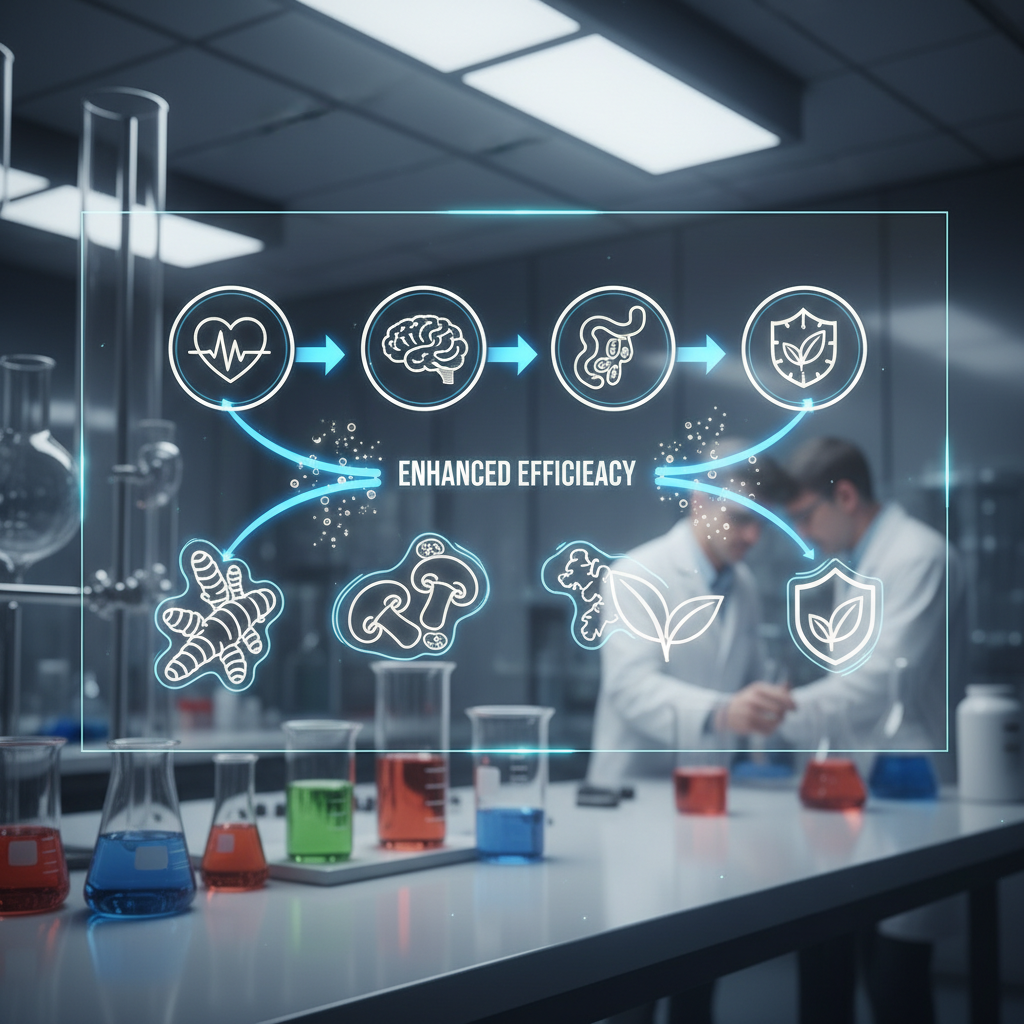
Specimen Ref 5
Manufacturing and Extraction: The Pillars of Quality
The translation of synergistic potential into tangible products necessitates rigorous adherence to manufacturing best practices and advanced extraction methodologies. Ensuring potency, purity, and batch-to-batch consistency is non-negotiable.
Good Manufacturing Practices (GMP)
GMP compliance is foundational, governing every stage from raw material sourcing and cultivation to extraction, formulation, and packaging. This systematic approach guarantees that products are consistently produced and controlled according to quality standards, ensuring safety and efficacy. Traceability and process validation are integral components of GMP.
Adherence to ISO Standards
International Organization for Standardization (ISO) certifications, such as ISO 9001 for Quality Management Systems and ISO 22000 for Food Safety Management Systems, provide a robust framework for operational excellence and consistent product quality.
Advanced Extraction Techniques
The selection of extraction methods is critical for isolating the desired phytochemical profile while preserving bioactivity. Techniques range from traditional solvent extractions (aqueous, hydroalcoholic) optimized for specific compounds like polyphenols, to more advanced methods like Supercritical Fluid Extraction (SFE) using CO2, which offers a greener, solvent-free approach ideal for delicate or lipophilic compounds.
Standardization and Quality Control
Extracts are standardized to specific marker compounds (e.g., EGCG content, curcuminoid percentages) to ensure consistent dosing and predictable efficacy. Rigorous quality control employing analytical techniques such as High-Performance Liquid Chromatography (HPLC) and Gas Chromatography (GC) is employed to quantify active constituents and screen for impurities, including heavy metals, pesticides, and residual solvents. Drying methods like lyophilization (freeze-drying) are often preferred for their ability to preserve sensitive bioactives.
Navigating the Regulatory Landscape
The global regulatory environment for botanical extracts is multifaceted, requiring a deep understanding to ensure compliance and facilitate market access.
Key Regulatory Bodies and Frameworks
- Food Safety and Standards Authority of India (FSSAI): Governs botanical extracts intended for food and dietary supplements in India, with specific guidelines for ingredients, proprietary foods, and health claims.
- U.S. Food and Drug Administration (FDA): Regulates botanical extracts as dietary ingredients under the Dietary Supplement Health and Education Act (DSHEA). Manufacturers must ensure safety, accurate labeling, and may need to submit New Dietary Ingredient (NDI) notifications. Structure/function claims are permitted with appropriate disclaimers.
- European Medicines Agency (EMA) & National Competent Authorities: Oversee herbal medicinal products through rigorous approval processes and food supplements under specific directives. Monographs in the European Pharmacopoeia (Ph. Eur.) set quality standards.
- Global Pharmacopoeias (USP, Ph. Eur., IP): Provide official standards for quality, purity, and strength, often serving as benchmarks for regulatory compliance and quality assurance.
General Considerations
- GRAS (Generally Recognized As Safe): A designation relevant for food ingredients in the U.S.
- Novel Foods (EU): Botanical extracts requiring pre-market authorization if not widely consumed in the EU before May 1997.
Conclusion: The Future of Botanical Efficacy
The scientific exploration of synergistic botanical extracts represents a sophisticated evolution in the field of natural health solutions. By understanding the underlying molecular mechanisms, validating efficacy through clinical research, implementing stringent manufacturing controls, and navigating complex regulatory frameworks, Hitayu Botanicals is at the forefront of harnessing the power of nature's combined intelligence. Our commitment to data-driven innovation ensures that we deliver targeted, highly effective botanical solutions designed for the discerning technical audience seeking scientifically-backed advancements.
Hitayu Quality Assurance
This technical audit was reviewed by our ISO/GMP compliance team to ensure absolute accuracy in botanical data and manufacturing standards.