
The Future of Botanicals: Key Industry Trends and Opportunities for 2026
Hitayu Editorial Board
ISO 9001:2015 Approved Content
Technical Audit: Navigating the Evolving Landscape of Botanical Ingredients for 2026
The botanical ingredient sector is poised for significant advancements driven by scientific validation, technological innovation, and stringent regulatory oversight. This audit synthesizes key trends, highlighting critical phytochemicals, robust clinical evidence, essential manufacturing considerations, and the imperative of regulatory compliance. For B2B stakeholders, understanding these dynamics is crucial for strategic product development, market entry, and ensuring product integrity in 2026 and beyond.
I. High-Impact Phytochemicals: The Foundation of Efficacy
The efficacy of botanical ingredients hinges on well-characterized active compounds. For 2026, focus intensifies on:
Polyphenols:
- Resveratrol: (Vitis vinifera, Polygonum cuspidatum). Key for cardiovascular and antioxidant applications. Typical concentrations in grape skin extracts range from 5-50%.
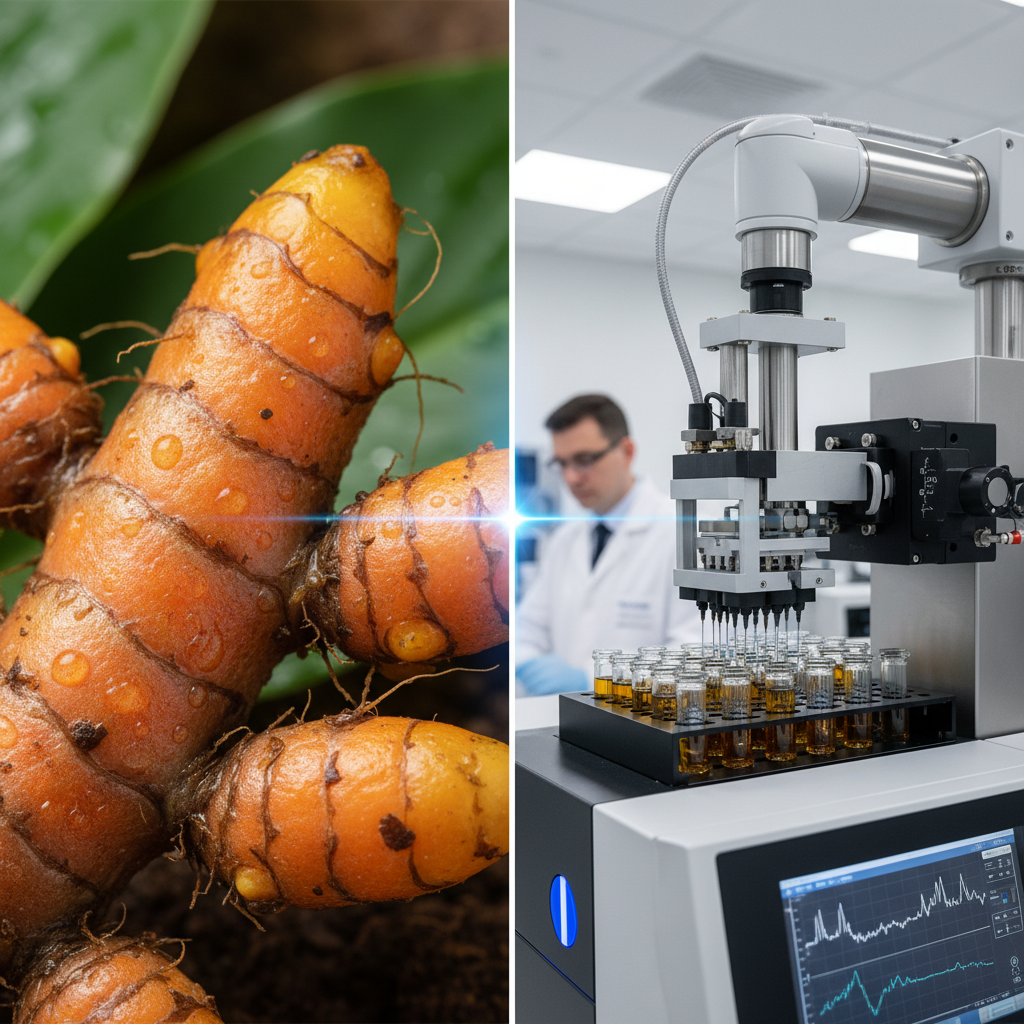
- Curcuminoids: (Curcumin, demethoxycurcumin, bisdemethoxycurcumin) from Curcuma longa. Standardized extracts often achieve ≥ 95% total curcuminoids. Crucial for anti-inflammatory and metabolic health.
- Epigallocatechin Gallate (EGCG): Predominant catechin in Camellia sinensis. Standardized extracts target >50% EGCG by weight, supporting metabolic and cardiovascular health.
- Anthocyanins: Pigments in Vaccinium spp., Ribes nigrum. Variable concentrations; target profiles or total anthocyanins (e.g., >25% cyanidin-3-glucoside equivalents) are critical.
Terpenoids:
- Ginsenosides: Steroidal saponins from Panax species. Extracts standardized to 10-20% total ginsenosides (HPLC) are vital for cognitive and adaptogenic applications.
- Lutein & Zeaxanthin: Carotenoids from Tagetes erecta. Typically standardized to 10-20% lutein and 0.5-2% zeaxanthin for ocular health.
Alkaloids:
- Berberine: From Berberis vulgaris, Coptis chinensis. Standardized extracts typically contain ≥ 85% berberine HCl, with significant clinical data for metabolic health.
Glycosides:
- Salicin/Salicortin: Precursors to salicylic acid in Salix alba. Extracts often standardized to 15-30% salicin for joint health and pain management.
Specimen Ref 3
II. Clinical Validation: The Cornerstone of Market Credibility
Robust clinical evidence underpins the market acceptance and scientific credibility of botanical ingredients. Key therapeutic areas demonstrating strong support include:
Cardiovascular Health:
- Resveratrol: RCTs and meta-analyses (e.g., Nutrients, Cardiovascular Therapeutics) show improvements in endothelial function, reduced CRP, and beneficial effects on blood pressure and lipid profiles. Dosage optimization and bioavailability enhancement remain key research areas.
- EGCG (Green Tea Extract): Clinical trials and systematic reviews (e.g., American Journal of Clinical Nutrition) confirm positive impacts on LDL cholesterol and triglyceride levels. Standardization for EGCG content is critical for consistent outcomes.
Cognitive Function & Neuroprotection:
- Panax ginseng: RCTs published in journals like Journal of Alzheimer's Disease suggest benefits for cognitive performance and attention, particularly in aging populations. Mechanisms involve neurotransmitter modulation.
- Curcumin: Emerging RCTs and meta-analyses (Phytotherapy Research) indicate potential benefits for mild cognitive impairment and mood disorders, driven by potent anti-inflammatory and antioxidant pathways.
Metabolic Health & Glycemic Control:
- Berberine: Multiple RCTs and meta-analyses (Diabetes Care, The Lancet Diabetes & Endocrinology) demonstrate significant improvements in glycemic control (comparable to metformin in some studies) and lipid profiles in type 2 diabetes. Bioavailability enhancement is an active research area.
- Curcumin: Its anti-inflammatory properties are being investigated for broader applications in metabolic syndrome beyond direct glucose management.
Joint Health & Inflammation:
- Curcumin: Extensive RCTs and meta-analyses (Journal of Medicinal Food, Osteoarthritis and Cartilage) show efficacy in reducing osteoarthritis pain and improving function, often with a superior safety profile to NSAIDs.
- Salicin (White Willow Bark): Clinical trials support its use for lower back pain and osteoarthritis, attributed to its standardized salicin content and slow-release mechanism.
III. Manufacturing Excellence: Ensuring Quality, Safety, and Consistency
Adherence to stringent manufacturing protocols is non-negotiable for botanical ingredients. Key considerations for 2026:
Good Manufacturing Practices (GMP):
- Traceability & Sourcing: Rigorous verification of raw material origins, testing for identity, purity (pesticides, heavy metals, mycotoxins), and phytochemical potency.
- Extraction Optimization: Employing validated processes (e.g., Supercritical Fluid Extraction (SFE) with CO2, ethanol extraction) with precisely controlled parameters (temperature, pressure, solvent ratios, time) to maximize target phytochemical yield while minimizing degradation.
- Standardization & Analytics: Ensuring consistent levels of key active compounds using validated analytical methods such as HPLC, GC, and MS for quantitative analysis.
- Facility & Process Control: Implementing cleanroom environments, validated cleaning procedures to prevent cross-contamination, and controlled environmental conditions.
- Quality Management: Robust QC/QA systems with comprehensive batch records and stage-gate testing.
ISO Standards Integration:
- ISO 9001: Essential for maintaining effective quality management systems and driving continuous process improvement.
- ISO 22000 (and HACCP): Critical for food safety management, particularly for ingestible botanical products.
- ISO 17025: Accreditation for testing laboratories ensures the reliability and accuracy of all QC data and analytical reports.

Specimen Ref 6
IV. Navigating the Global Regulatory Landscape
Successful market penetration requires a deep understanding of evolving international regulatory frameworks:
India (FSSAI):
- Regulation of food products, including herbal supplements, with strict standards for safety, labeling, and claims.
- Reference to specific monographs for certain botanicals is often required.
United States (FDA):
- Dietary Supplements: Governed by DSHEA (1994), manufacturers are responsible for safety and substantiated claims. Strict adherence to CGMPs (21 CFR Part 111) is mandatory.
- GRAS (Generally Recognized As Safe): Applicable for specific food ingredient uses.
- NDI (New Dietary Ingredient) Notifications: Required for ingredients not marketed prior to October 15, 1994.
European Union (EU):
- EFSA (European Food Safety Authority): Oversees safety assessments for food ingredients, including botanicals.
- Novel Foods Regulation: May apply to certain botanical ingredients.
- Pharmacopoeias (Ph. Eur., BP): Provide essential quality standards for medicinal plant materials and extracts, often referenced for QC and identity testing.
Global Pharmacopeias:
- USP (United States Pharmacopeia): Develops and publishes public standards for identity, strength, quality, and purity of medicines, food ingredients, and dietary supplements. USP monographs are highly influential.
- JP (Japanese Pharmacopoeia): Sets similar quality standards for the Japanese market.
Specimen Ref 8
V. Strategic Implications for B2B Stakeholders
The convergence of scientific validation, advanced manufacturing, and stringent regulatory oversight presents both challenges and opportunities:
- Prioritize Evidence-Based Botanicals: Focus R&D and product development on ingredients with robust clinical backing and well-defined active compounds.
- Invest in Quality & Compliance: Implement and maintain best-in-class GMP and ISO-certified manufacturing processes to ensure product integrity and meet global regulatory demands.
- Leverage Standardization: Utilize extracts standardized to specific phytochemical markers to guarantee batch-to-batch consistency and predictable efficacy.
- Stay Ahead of Regulatory Changes: Proactively monitor and adapt to evolving global regulations, particularly concerning claims, NDI notifications, and Novel Food status.
- Foster Transparency: Ensure complete traceability from raw material sourcing to finished product, providing verifiable data on quality and safety to partners and end-users.
Hitayu Quality Assurance
This technical audit was reviewed by our ISO/GMP compliance team to ensure absolute accuracy in botanical data and manufacturing standards.